The Problem With Leaks You Cannot See
Most water leaks do not announce themselves. There is no burst pipe, no obvious puddle, and no dramatic moment where you know something has gone wrong. Instead, the damage builds quietly behind walls, under floors, or beneath your slab while you carry on as normal.
By the time a hidden leak becomes visible, it has often been running for weeks or months. Catching it early makes a real difference to both the repair cost and the structural condition of your home.
Your Water Bill Is Higher Than It Should Be
An unexplained water bill increase is one of the most reliable early signals of a hidden leak. If your usage habits have not changed but your bill has jumped, water is going somewhere it should not be.
A useful check is to turn off every tap and water-using appliance in the house, then watch your water meter for 15 to 30 minutes. If the dial or digital display keeps moving, you have a leak somewhere in the system. Common signs of water loss include higher bills, damp patches, mould, soft ground, or water meter movement when everything should be off.
Damp Walls, Soft Flooring, and Discolouration
Water that escapes from a pipe inside a wall has to go somewhere. It soaks into the surrounding material and eventually shows up as staining, bubbling paint, or soft patches in plasterboard.
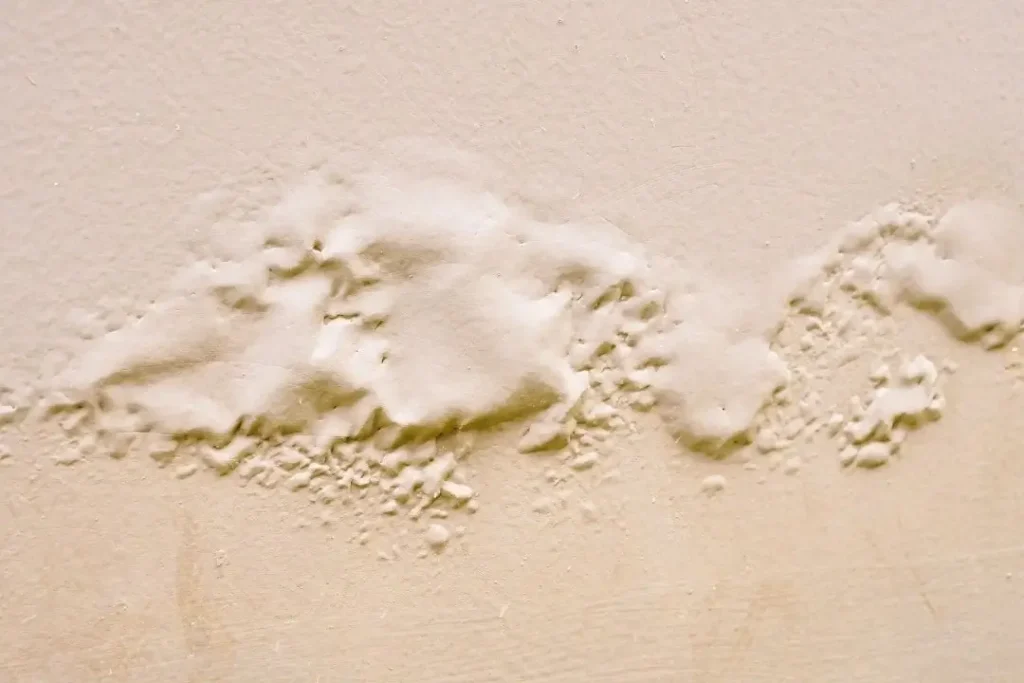
Discolouration on ceilings is a common sign of a leak from the floor above or from a roof space. On walls, look for yellowish or brown staining, peeling paint, or a surface that feels slightly soft when you press it. These are not cosmetic issues. They point to ongoing moisture that will not resolve on its own.
Damp or warped flooring, particularly timber or laminate that has started to lift or buckle, can also indicate water tracking along a subfloor from a nearby leak.
What a Water Leak Under the Slab Looks Like
Slab leaks are among the harder ones to detect because the pipe is buried in concrete. The water often travels along the path of least resistance before surfacing, which means the wet patch you find may be some distance from the actual leak point.
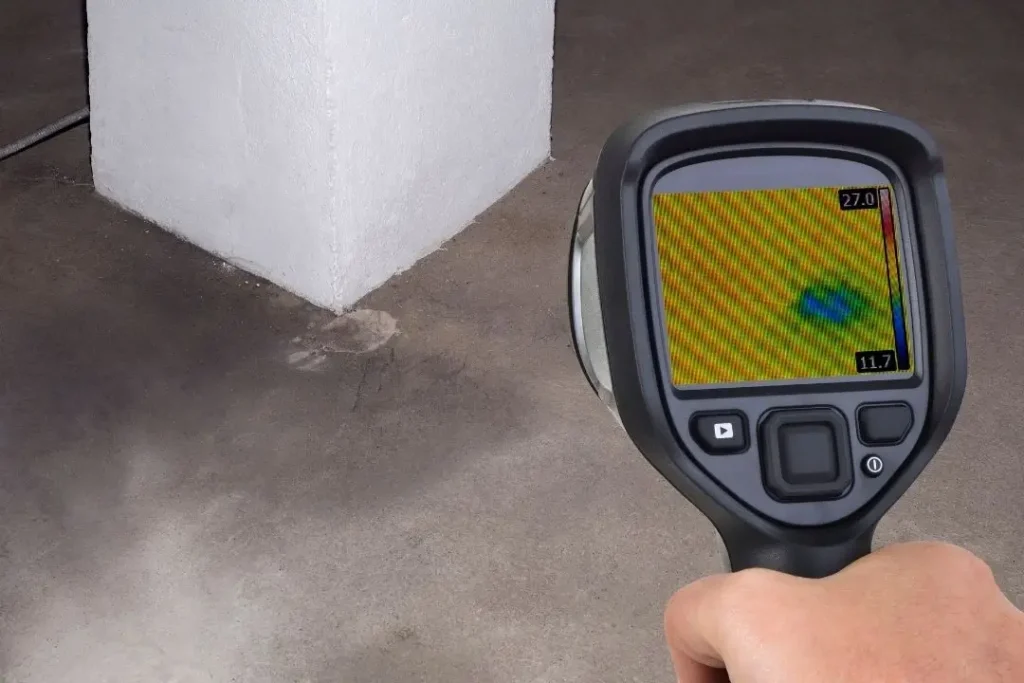
Signs of a water leak under a slab include warm or damp spots on tiled or concrete floors, a persistent sound of running water when everything is turned off, and cracks appearing in the slab or surrounding walls. In some cases, grass or garden beds near the house edge grow noticeably faster or greener in one spot, fed by water escaping from below.
Slab leaks require leak detection equipment to locate accurately. Digging without knowing the exact position of the leak wastes time and causes unnecessary damage to your flooring or landscaping.
Mould and Musty Smells in Dry Areas
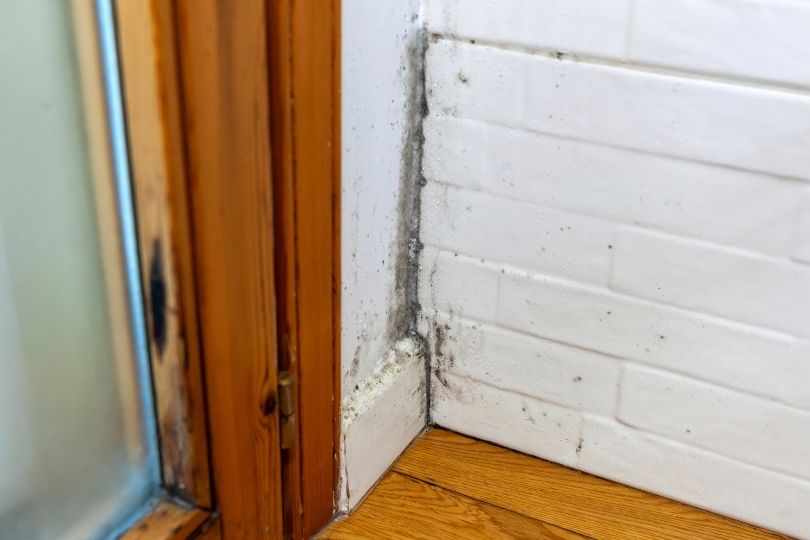
Mould needs moisture to grow. If you are finding mould in areas that do not get wet from normal use, such as inside a cupboard, behind a vanity, or along a skirting board in a hallway, a hidden leak is a likely cause.
A persistent musty smell in a room, even after cleaning and ventilating, often means moisture is trapped somewhere nearby. This is worth taking seriously, particularly in bathrooms and laundries where pipes run through walls and under floors.
Hot Water System Faults That Mimic a Leak
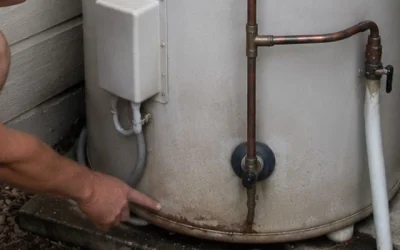
Not every unexplained wet patch or bill increase comes from a supply pipe. A failing hot water system can release water through a pressure relief valve or from a corroded tank, and this is sometimes mistaken for a plumbing leak elsewhere in the house.
If your hot water system is older or showing signs of reduced performance, it may be contributing to the problem. A system that is due for replacement can develop slow leaks before it fails completely, which adds to your water usage without being immediately obvious.
How Concealed Leaks Affect Your Usage Over Time
A small drip from a concealed pipe can waste thousands of litres over a billing period without ever making itself visible. The cumulative effect on your water account can be significant, and in some cases, homeowners are unaware they may have options when it comes to disputing charges caused by a leak they could not reasonably have detected.
Understanding how concealed leaks affect water usage and what steps are available to you is useful before you contact your water retailer about an unusually high bill.

When to Stop Investigating and Call a Plumber
Some checks are straightforward for a homeowner to do, like reading the meter or looking for visible staining. But once you suspect a leak inside a wall, under a slab, or in a location you cannot access, the next step is professional detection.
Attempting to open walls or dig up flooring without knowing where the leak is located tends to create more work and more cost. A licensed plumber with detection equipment can pinpoint the source before any excavation or repair work begins.
What to Do If You Suspect a Hidden Leak
Start with the meter test described above. Check your recent water bills for any unexplained increase. Walk through your home and look for soft walls, staining, mould, or flooring that has shifted.
If any of these signs are present, or if your meter is moving with everything turned off, call a licensed plumber promptly. The longer a hidden leak runs, the more damage it causes to the structure of your home and the more expensive the repair becomes.
Speak to a Plumber About a Suspected Leak
If something feels off with your water usage or you have noticed any of the signs above, our team can help you work out what is going on. If you are in the northern Sunshine Coast area and searching for a plumber Golden Beach, Buderim or Pelican Waters homeowners trust, our team can carry out a full assessment and advise you on the most practical repair approach.
Call us on (07) 5327 3439 or send us a message through our service request form and we will get back to you promptly.